|
 |
 |
 |
 |
 |
 |
 |
|
The 3
basic
types of
Migraine
Headache:
•
Vascular
•
Tension
•
Organic
|
 |
|
VASCULAR
These
include
migraines
and
cluster
headaches.
Migraines
can be
hereditary,
and can
be
triggered
by such
factors as
stress,
diet, and
environmental
factors.
These may
last just
minutes or
for days,
affecting
more women
than men.
Cluster
headaches
affect
mostly
males, and
cause
severe
pain,
which can
be
controlled
with
proper
treatment.
TENSION
Tension
headaches
occur in
the lower
back of
the head
and neck,
with
general
pain all
over the
head.
These
account
for nearly
80 percent
of all
reported
headaches.
Sufferers
may
experience
only
episodes
or daily
pain, the
latter of
which may
be caused
by
depression
or
emotional
problems.
ORGANIC
These
can be
caused by
a benign
or
malignant
brain
tumor,
brain
infection, hematoma,
brain
aneurysm,
cerebral
hemorrhage,
brain
abscess,
encephalitis
or
meningitis.
Symptoms
of organic
headache
can
include
sudden and
severe
pain, loss
of
balance,
seizures,
discombobulation,
and
speaking
difficulty.
Dr. Jerry
Teplitz
teaches
truly
extraordinary
and
effective
techniques
which
enable
sufferers
to
eliminate
their pain
in 5
minutes!
He has
been
teaching
these
methods,
with
amazing
results,
to over
100,000
people
around the
world for
nearly 30
years.
Dr.
Teplitz
wants to
help
YOU
be free of
pain once
and for
all. Once
you've
mastered
these
techniques,
you have
the power
to take
control
and stop
the pain
at any
time and
any
place...
for
effective
relief
when YOU
need it.
You don't
have to
wait for
over-the-counter
remedies
to take
effect,
and you
don't have
to put
unnecessary
medications
into your
body. You
just want
a
powerful,
realistic,
FAST
way to get
rid of the
pain, and
Dr.
Teplitz
can show
you how. |
|
|
|
|

|
|
|
TREATMENTS
ON DVD
|
|
 |
 |
Migraine |
|
|
|
Headache |
|
|
|
Sinus Cold |
|
|
|
Stiff Neck
& Sore Shoulders |
|
|
*Plus
2
FREE Bonus Reports and
a Pocket Reminder Card! |
|
New!
BLOG
|
|
In the
Media
FINALLY! Freedom
From Pain!
|
|
|
|
|
|
 |
|
|
|
ABOUT
HEADACHES
& MIGRAINES |
|
Who Gets
Migraine
Headaches
?
A migraine
is a
throbbing
or
pulsating
headache,
usually on
one side
of the
head, that
is often
associated
with
nausea;
vomiting;
sensitivity
to light,
sound, and
smells;
sleep
disruption;
and
depression,
(one can
still be
diagnosed
with
migraine
without
these
symptoms).
Attacks
are often
recurrent,
and are
two to
three
times more
common in
women.
During the
1980s,
researchers
found that
the
diagnosis
of a
migraine
increased
more than
55% in
women, and
that women
in their
20s had
the
fastest
increase
in
migraines
as
compared
with any
other age
group.
Overall,
15-20% of
all men
and 25-30%
of women
suffer
with
migraine
headaches.
Every year
an
estimated
50 million
Americans
seek
medical
attention
due to the
pain of
their
headaches.
Over 26
million
people
searched
for
powerful
migraine
headache
treatment.
Annual
treatment
costs for
migraine
in America
are over
one
billion
dollars.
The
average
migraine
sufferer
loses 21
days out
of their
lives
every year
due to the
pain of
their
migraines.
This means
that
migraine
sufferers
can lose
all their
vacation
time and
sick leave
because
they have
to deal
with their
painful
migraines.
People who
have
severe
migraines
can
experience
temporary
blindness,
temporary
paralysis
and they
may need
to be
confined
to a
darkened
room for
days at a
time.
Migraines
are often
hereditary
and can
run in
families.
If one
parent
suffers
from
these, a
child has
a 50%
chance of
suffering
these too.
If both
parents
experience
this, the
child has
a 75%
chance of
experiencing
the same.
|
|
Dilation of Blood Vessels Is The Key
Migraine headaches are primarily caused by excessive dilation, or expansion, of blood vessels in the head. Many migraines come without warning. Some start with a visual "aura" before the onset of pain that can also include blurring or bright spots in the vision. Other symptoms indicating that a migraine is starting include anxiety, fatigue, disturbed thinking, and numbness or tingling on one side of the body. Migraine pain also occurs when the blood vessels and muscles lining the brain and scalp become stretched or tensed. Migraine pain seems to be connected to the instability of blood vessels in the brain and to a reduction in blood flow during a migraine attack. Research studies also indicate that in some migraine sufferers the control of blood vessel constriction and dilation is impaired.
Researchers have also found that in migraine sufferers, during and between migraine attacks, small blood cells, or platelets, do not behave normally. The purpose of the blood platelets is to aggregate, or to clump together, to form blood clots. In migraine sufferers, there is a significant increase in the spontaneous aggregation, or clumping, of blood platelets. This causes a reduction in the release of a brain chemical known as serotonin.
|
|
Serotonin Plays a Major Role
Serotonin aids in the chemical transfer of information from one cell to another. More importantly for migraine sufferers, serotonin plays a major role in the relaxation and the constriction of blood vessels. All of the serotonin in the blood is stored in the blood platelets. It is released by platelet aggregation. In migraine sufferers, this release appears to result in a serotonin deficiency.
Low serotonin levels are thought to lead to a decrease in the pain threshold of migraine patients. This concept is strongly supported by 35 years of research which show that increasing serotonin levels in the blood platelets leads to relief from chronic migraine headaches.
|
|
There are many factors that can cause migraines, and the following is a brief discussion of known "trigger foods".
Trigger foods are those that can bring on migraine attacks, though not every person is affected in the same way by the same foods. Outlined here are those foods that are known to be common triggers for migraines:
chocolate
caffeine
dairy products
peanuts, peanut butter
some beans (including lima, soy, peas)
yeast
nuts
sauerkraut
soy products
ripe bananas
avocados
aged cheeses
sourdough bread
anchovies
canned soups and packet soup mixes
Benzoic acid, (a preservative)
MSG, (monosodium glutamate, a commonly-used flavor enhancer)
sodium nitrate, (a preservative)
beer, champagne, red wine, vermouth
There are many other foods which may act as triggers to migraine attacks. To help avoid these headaches, a good rule to remember is to stay away from highly-processed and manufactured food products, which can be found in many of the foods listed above.
Food Allergies Linked to Blood Vessel Triggers
Food allergies also play a major role in migraine headaches. Foods such as chocolate, cheese, beer, red wine, and prescription medication can trigger migraine attacks in many people.
These attacks have been linked to histamines and other compounds that can trigger expansion in the blood vessels and cause that pounding, throbbing sensation.
Are you one of the 50 million Americans who seek headache cures or medical treatment for your migraines every year?
Do you or anyone you know ever need effective
sinus headache relief? How about stiff neck or shoulder pain?
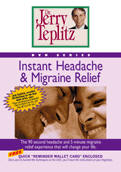
If so, Dr. Jerry V. Teplitz has the solution for YOU! Dr. Teplitz has rediscovered an easy yet proven effective hands-on Japanese pressure point pain relief massage technique called Shiatsu for getting rid of headache pain, migraines, sinus colds and stiff necks and shoulders that you can do on yourself, a friend or a loved one.
This Headache relief treatment will get rid of your pounding headache in only 90 seconds! It will get rid of a hangover in the same amount of time.
The Migraine treatment will give you pain relief and end your excruciating migraine pain in 5 minutes!
You can stop sinus colds on the same day they start!
You can even end stiff neck and sore shoulder pain!
BENEFITS from these natural techniques |
|
|
All JTE/JTV, Inc. Products carry 100% Money-Back Guarantee |
|